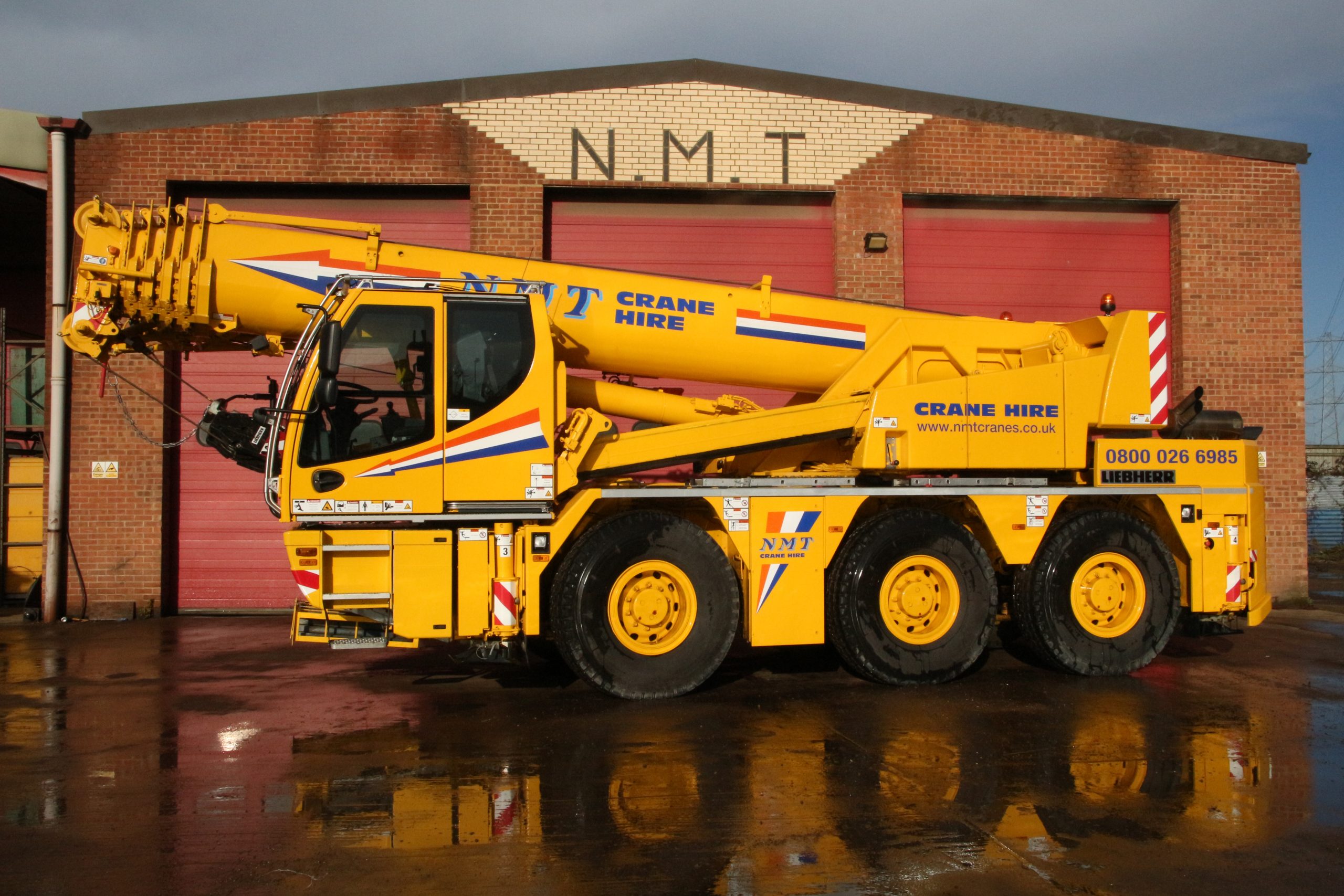

NMT Crane Hire NMT Crane Hire WELCOME, WE ARE OPEN FOR BUSINESS AS USUAL

CALL: 0800 026 6985
EMAIL: hiredesk@nmtcranes.co.uk

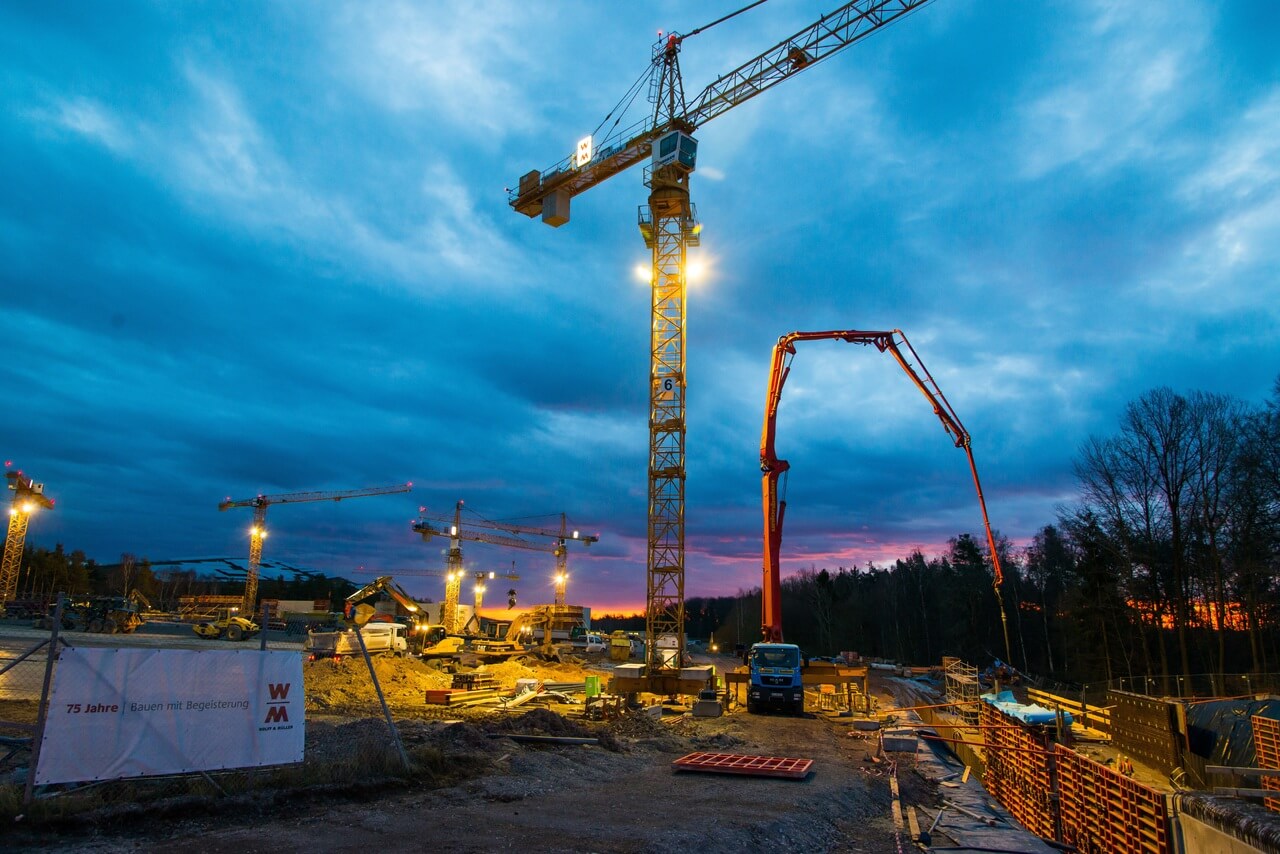
NMT Crane Hire prides itself on offering quality crane hire throughout the UK. Cranes are integral pieces of machinery in construction, helping transform urban areas with building offices, bridges, skyscrapers and more. Every modern skyline in a bustling city was built with the help of a crane. Here are some facts about construction cranes.

10 Facts About Construction Cranes:

1. Cranes were built by the Ancient Greeks

The first human-made crane was built by the Ancient Greeks around 500BC. It looked very different to the modern cranes we have today, instead of steel or metal they were made out of wood. Human or animal power was used to pull heavy objects up – but these early crane designs helped build some of the most recognisable and beautiful structures of the ancient world.

2. The crane arm (“jib”) was added in the Middle Ages

During the Middle Ages, the “jib”, or crane arm, was able to move both horizontally and vertically – mainly because it was used to unload cargo ships in a harbour.

3. Steam engine technology was added to cranes in the 19th Century

With the invention of the steam engine in the 19th Century, the new technology was also applied to provide cranes with power, which eliminated the need for humans and animals used as a source of power.

4. The first mobile crane was manufactured in the 1950s

In the course of the 1950s, there was a significant change in the material used to manufacture cranes. Strong steel was used and also placed on the back of trucks, which saw the introduction of ‘mobile cranes’.

5. 200,000 cranes are estimated to be in use around the world

Around the world, there are over 200,000 cranes in use, of which 125,000 cranes are used in the construction industry and between 80,000 – 100,000 cranes are used in general and maritime industries.

6. Tallest crane in the world is a Liebherr type 357 HC-L

The tallest crane in the world is the Liebherr type 357 HC-L and it can lift up to 18 tons at 44 metres a minute. This crane was used in the construction of the world’s tallest building: Kingdom Tower in Saudi Arabia.

7. Cranes are dangerous, leading to 42 deaths each year in the UK

There are around 42 crane-related deaths each year.

8. Only 11% of crane accidents are caused by mechanical failure

Out of all the crane-related accidents that occur on a construction site, only 11% are due to mechanical failure. If these failures are spotted early, then further damage can be prevented, which is why cranes are inspected daily and yearly.

9. There are over 20+ types of crane types

Like many other products and machinery, there is a wide variety of different types for an array of purposes or to be used for specific projects. Some of the main crane types include tower cranes, mobile cranes, truck-mounted cranes, and rough terrain cranes.

10. Cranes share their name with a bird

We previously discussed our 5 most interesting facts about cranes, but construction cranes share their name with the tallest flying bird in the world.

Contact

We hope you have enjoyed our list of 10 most construction crane facts. To find out more about our crane hire services here at NMT Crane Hire, please contact our team by calling us on 0800 026 6985, or filling out our online enquiry form.

What Are the Most Common Crane Hazards?

Posted in UncategorizedLeave a Comment on What Are the Most Common Crane Hazards?

Working at height is dangerous, and when you add machinery and large construction cranes into the mix it becomes hazardous if the correct safety measures and precautions are not followed properly. If things go wrong, it can lead to injuries, fatalities and damage cost to buildings and materials. But, what are the most common crane hazards and how can you take measures to prevent them? 

In our latest blog, we outline the three most hazards. It is important to be aware of crane hazards and the ways in which you can avoid them.


3 Most Common Crane Hazards

Falling loads

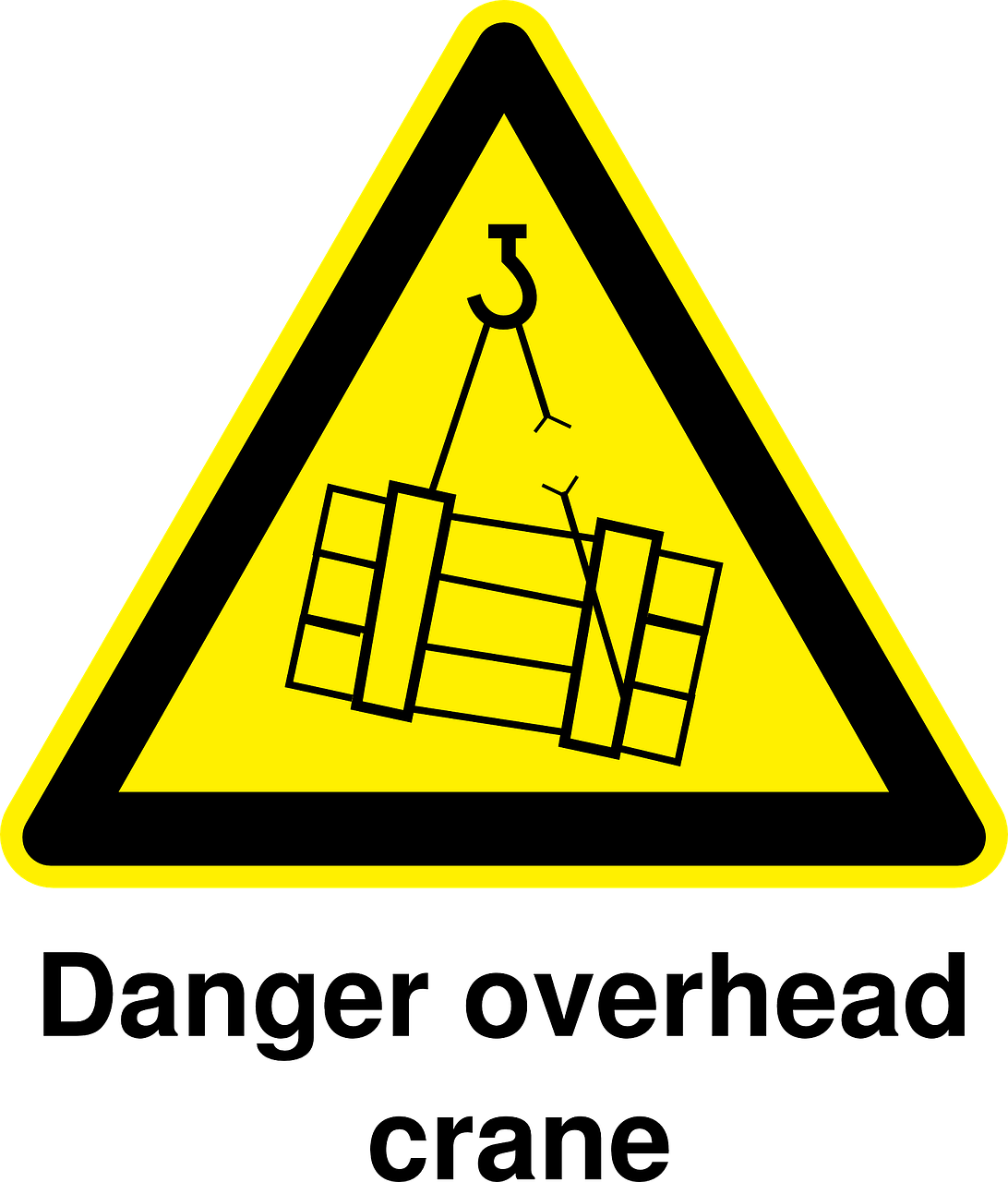
This is one of the most common hazards when working with cranes. A falling load can result in serious injury, fatality or structural damage to a building or property, leading to significant time and money costs. There are a number of reasons why a load can fall from an overhead crane – operator incompetency, slipping, mechanical failure, and two blocking.

Electrical hazards

A large number of crane-related accidents involve the metal part of the overhead crane coming into contact with a power source (such as a high-voltage power line). This means an increased risk of the crane’s hoist line and boom touch in energised power lines – anyone who is directly touching them is most likely to be electrocuted. This can result in multiple deaths and injuries. It is crucial that a risk assessment is carried out before starting work.

Crane overload 

A large majority of crane failures also occur as a result of somebody overloading the crane. If you exceed a crane’s operational capacity, then you will likely subject it to structural stresses that cause irreversible damage. Ways in which you can overload a crane include: swinging or suddenly dropping loads; hoist loads beyond the cranes capacity; using defective components; dragging loads; side-loading a boom.


Contact

If you’re interested in hiring cranes or lifting equipment, we pride ourselves on building customer relationships and providing an excellent service. With over 40 years of experience within this industry so we are able to provide knowledgeable advice on equipment and crane safety. Get in touch by calling 0800 026 6985 or you can fill in our contact form and we’ll get back to you shortly.

5 Tips for Crane Hand and Voice Signals

Posted in UncategorizedLeave a Comment on 5 Tips for Crane Hand and Voice Signals

With the introduction of new construction crane standards and certifications, there are some key tips that people sitting these tests need to remember when taking the signal person test.


1. Understand crane operations and limitations

When a signaller understands what crane operations, limitations and results may occur when certain signals are given to direct a crane operator, then they can use this information to carry out tasks and direction more effectively. For example, if a crane is about to be put into an overload condition then a signal person needs to signal the gain or loss of capacity to the crane operator quickly and clearly.


2. Special assignments as a signal person

As a signal person, it is important to understand each of the different signals and what they mean. For example, the ‘blind pick’ relay signal is assigned to lifts being made in a prohibited zone, or during lifting activity that uses a suspended personnel platform.


3. Present the hand signals correctly

When signalling the movements must be standardised and performed clearly so that they are easily understood. This is key so there is no room for misinterpretation. No allowance should be made for lazy hand signals.


4. Give voice signals in the correct format

When carrying out signals there is a set format that must be followed: function and direction; distance or speed; function and stop.


5. Understand what to do when there’s a failure in the communication process

All signals are continuous, whether that be via hand or voice, therefore this means that when an unplanned event occurs to the signal person they should give a ‘stop’ or ‘emergency stop’ signal. This allowed for the event to be sorted and the load moved on without causing an incident. There may be times when the operator cannot see or hear the signals, suspecting an unplanned loss of contact has occurred. At this point, they should stop moving the crane and load until they regain communication and the situation rectified. It is integral that a signal person also knows what to do during an unplanned event.


Contact

If you would like any more information on crane safety, or you would be interested in learning more about the services NMT Crane Hire provides, please get in touch with one of our friendly team members by calling us on 0800 026 6985, or fill out one of our online enquiry forms.

What’s the Difference Between Crane & Contract Lift Hire?

Posted in UncategorizedLeave a Comment on What’s the Difference Between Crane & Contract Lift Hire?

In this blog, we discuss the difference between crane hire and contract crane hire and the advantages. When you’re planning a lift, it is very commonplace to hire a crane and an operator to work on your instructions on the site.

The difference between crane hire and contract lift hire

Standard crane hire is simple; if you don’t require the services of a crane operator or appointed person then you can just hire the crane. However, this means that the crane will be your responsibility whilst on your site.

Whereas contract lift hire is when you hire a crane with the assistance of a crane operator and fully-qualified appointed person. This means that all aspects of the lift are the responsibility of the crane hire company rather than the customer. The appointed person uses their expertise to draw comprehensive lift plans and guides you through where to rig the pedestrian crane or mobile crane. The crane operator ensures that it is safe to carry out the lift.

What does an appointed person/ crane operator do?

Typically with contract lift hire, an appointed person will take care of a number of different things. Firstly, they will ensure that the mobile or tower crane has been maintained, services, tested and certified. They will also look after any additional lifting equipment and carry out a thorough site survey. 

A crane operator can offer expert advice and recommendations both before and during the lift, as well as drawing up a detailed plan of action. Alongside this, they will conduct a full site ground assessment to enable the crane is rigged safely.

Furthermore, if the lift requires road closures they will be the ones in communication with the police, as well as taking care of risk assessments.

What are the advantages of contract lift hire?

The crane hire company will take on these responsibilities:

  • Plans the lift with a suitable crane and designated an appointed person to supervise the lift
  • They take on the majority of risks and responsibility, including legal liability in the event of an injury to the driver or property damage that could occur front the lifting operation 

What are the advantages of crane hire?

You are responsible for how you handle the lift, selecting the most appropriate model of crane for the lift as well as responsible for arranging any signalling. Alongside this, you are also responsible for supervising the lift while it’s in operation. It is important to provide an experienced and trained Appointed Person during the process.

Contact

If you’re interested in crane hire services we have a wide range here at NMT Crane Hire, please contact our team by calling us on 0800 026 6985, or filling out our online enquiry form.

Whether you’re a school leaver or looking for a career change, choosing to become a crane operator is a fun and rewarding career path. But, how can you become one? Take a look at our latest blog post and learn more about becoming a crane operator or crane driver.


What is a crane operator?

A crane operator, or crane driver, is an individual who operates lifting machinery on construction, quarrying or mining sites, at ports and in warehouses.


How can I become a crane driver?

There are several ways and routes you can follow to become a crane operator or crane driver. This includes taking a college course, doing an apprenticeship or working your ways towards this role.

College course

If you are looking to go through education, you can take a college course in Plant Operations; this level 2 certification is usually carried out in conjunction with on the job training. 

Apprenticeship

If you are looking for an apprenticeship you can get into this job role through applying to a lifting technician intermediate apprenticeship.

Work

Another way in which you can become a crane operator is through starting work as a construction site labourer. When you have built up more experience of using heavy machinery such as excavators, then you can move onto crane operation.


What skills do I need to become a crane operator?

These are some of the main skills that a crane operator needs in order to be successful in the role.

  • Good physical skills such as movement, coordination, dexterity and grace
  • Pay attention to details and be thorough
  • Patient with the ability to stay calm under stressful situations
  • Able to use, repair and maintain machines and tools
  • Able to accept criticism and work well under pressure
  • Understanding and sensitivity
  • Ability to safely operate and control equipment
  • Basic computer skills to carry out tasks on a computer or hand-held device


What are the daily tasks and responsibilities?

Some of the day-to-day tasks include setting up cranes and carrying out safety checks; loading and unloading lorries; shifting loads around the site; monitoring sensors that measure load weights, crane stability and wind speed; and carrying out minor repairs to the machinery.

In addition to these tasks, it is important to also report any problems to the crane supervisor and keep thorough records of the materials that you’ve moved.

Typically, crane operators work on a construction site; this means that the working environment can be noisy and at height. Furthermore, you’ll also need to wear protective clothing.


Contact NMT Crane Hire

If you’re interested in hiring cranes or lifting equipment, we pride ourselves on building customer relationships and providing an excellent service. Here at NMT Crane Hire, we have over 40 years of experience within this industry so we are able to provide knowledgeable advice on equipment and crane safety. You can get in touch with our team by calling 0800 026 6985 or you can fill in our contact form and we’ll get back to you shortly.

3 Things to Consider When Selecting a Crane

Posted in UncategorizedLeave a Comment on 3 Things to Consider When Selecting a Crane

Lifting cranes have now become a common addition to the arsenal of machinery used on building and construction sites. However, what you might not know is that it is important to make sure that you choose the right crane for the job. Although they are all powerful machines, certain cranes are built with specific tasks in mind, so choosing the correct one can seriously improve productivity and efficiency.

For your benefit, we have listed below three of the most important things you should consider when selecting a crane to use on your project.

Weight and Height Checks

One of the most important things you should know before deciding on which crane to use is the weight of the load it will be lifting. Choosing a crane that has a small lift capacity can mean that you could be paying for something that may not be of any use to your project, or could become a safety hazard. However, selecting a crane with an unnecessarily high lift capacity can be a great waste of money and labour.

The higher a load is lifted, the less the weight capacity becomes. Bearing this in mind, you will need to research which cranes are available to you that can both perform the lift of the required weight, while having the boom length to reach the required heights.

Site Conditions

It is important to take the conditions of the site into consideration when selecting your crane. If the workspace has largely uneven grounds, you will need to use a rough-terrain crane with an increased support width, as this will ensure stability. For developments that have flat and rough terrain, you’re best to opt for a truck-mounted crane as this style of machine is good for versatility.

It is also worth being aware of the weather conditions at the site, as rain and wind can alter the terrain and may require more specialised equipment. If you are not sure about which crane is the best fit for your site, you should seek advice from industry professionals.

Site Access

In most cases the ideal situation would be to drive the crane directly into the site and place it exactly where it needs to be, but this is not always possible. Some sites will not have simple road access for heavy-duty machines to drive on, which is why site access can impact your choice of crane.

In a similar vein to the previous point, having no easy road access will require you to find a crane that is able to make the trip through some potentially treacherous terrain. If there is no obvious way in which a crane will be able to position itself at the desired part of the site, serious thought needs to be put into making sure the correct crane is chosen, ensuring it will be able to negotiate these difficulties and still complete the task at hand.

Contact NMT Cranes

For those who don’t deal with cranes on a regular basis, it can seem like a daunting task to have to pick the right crane after taking all of these points into consideration, however that’s where we come in.

With over 20 years of experience, our team at NMT Cranes are experts in the industry and are able to help you with all your crane needs. For more information, please feel free to fill out our online contact form or call us on 0800 026 6985.

The Team Behind Every Crane Job

When picturing a crane, most people will conjure up an image of a tall, slight structure, operating high in the skies and manoeuvring large products and materials. In order for that image to come to life, however, there are a number of steps which have to be taken, and a whole crew that is responsible for making it come to life. With that in mind, NMT Crane Hire Ltd outline the specific teams behind every crane job.

Continue reading “The Team Behind Every Crane Job”

How To Achieve Your HGV Licence 

Posted in UncategorizedLeave a Comment on How To Achieve Your HGV Licence 

If you are looking to start your career in lorry driving, one of the first things you need is to gain your Heavy Goods Vehicle (HGV) licence. Without one of these you will be limited in the type of jobs you can undertake, as securing a HGV licence allows you to operate a vehicle weighing over 3,500kg. 

Haulage and logistics is one of the top industries in the UK for employment and there are plenty of jobs out there for the taking. With this in mind, let’s talk about how to get your HGV licence and set off on the right track of progressing your career.

Different Types of Licences 

First and foremost you should be aware of the different types of HGV licence you can get. These vary depending on the weight and size of the vehicle.

  • Cat C1 – Vehicles weighing between 3.5 and 7.5 tonnes.
  • Cat C – Rigid bodied vehicles between 7.5 and 32 tonnes. You can skip Cat C1 and progress straight to Cat C if you wish.
  • Cat C+E – Drawbar and articulated vehicles. This is an upgrade from Cat C but requires no extra theory.

How Long Do The Courses Take?

Depending on where you go to take the course, the training usually lasts between 8 and 10 weeks, even though said training involves just 5 days of practical work.

A large bulk of the learning comes in the form of theory, which you will have to be tested on in a similar way to earning a regular driver’s licence. You will begin your practical training once you find out from the DVSA that you have passed your theory exam. You will be trained by an experienced instructor and will be able to practice in a HGV prior to your practical test, giving you the best chance of success.

Why You Should Get Your HGV Licence

You may still be unsure about whether a career as a heavy goods vehicle driver is for you, however there are so many benefits to taking on this job.

As previously mentioned, there are an abundance of employment opportunities once you achieve your HGV licence, and there is good job security once you find work. You will be lucky enough to be paid to travel and there is the potential to earn a high wage.

A big bonus for this line of work is that it does not require a bachelor’s degree. It is understandable that going through the university path isn’t for everyone, so as long as you pass the theory and practical tests, you should have all you need to explore a successful career as a lorry or truck driver.

NMT Heavy Haulage

Once you unlock your HGV licence, you will be fully prepared to transport heavy goods from suppliers to customers and clients all over the UK. 

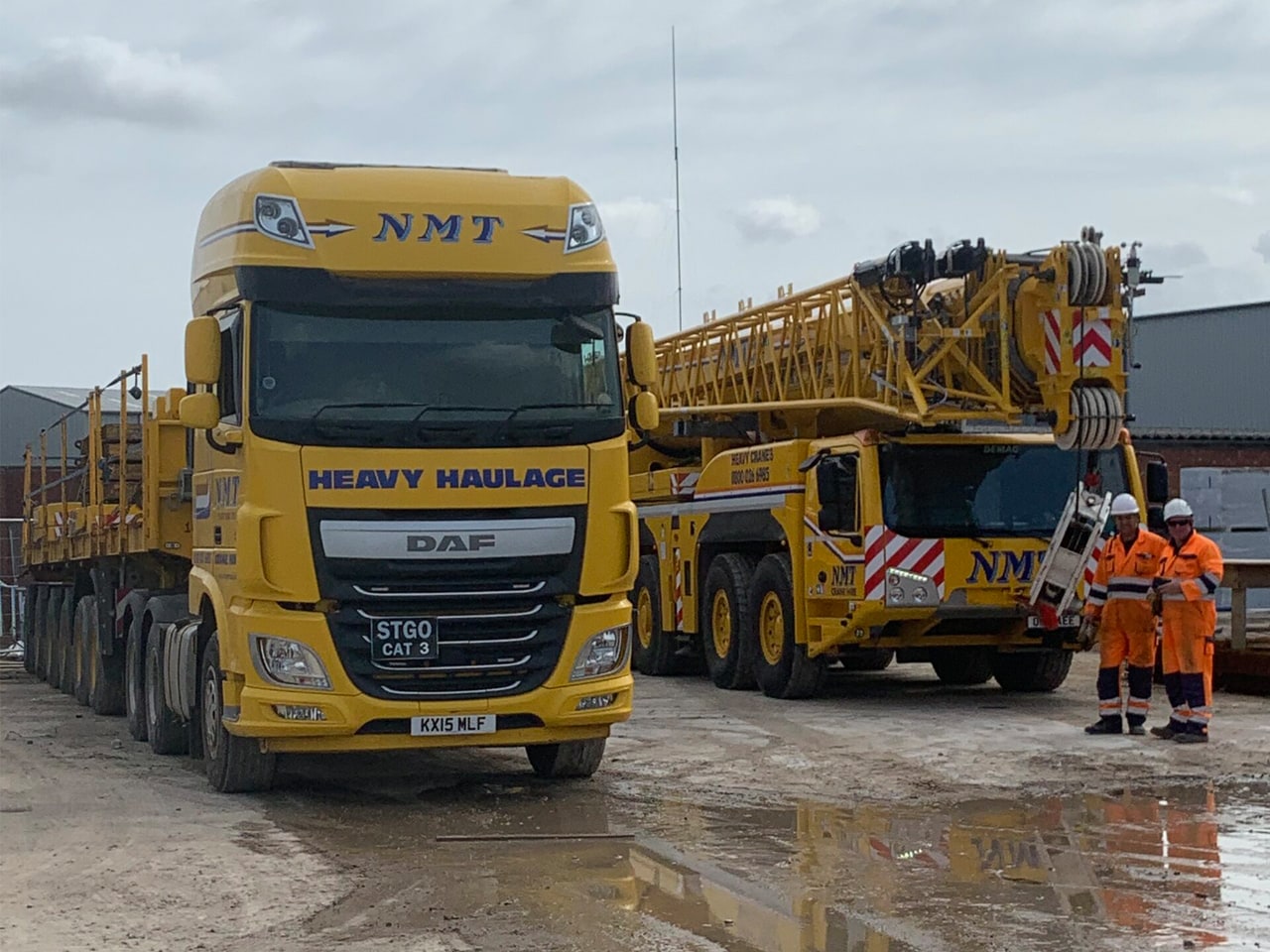
Although our company is known for being one of the leading providers of cranes in the UK, our heavy haulage service is also second to none. If you would like to find out more about heavy haulage and the services we provide, you can head over to our Heavy Haulage page.

Contact Us

If you would like to find out more about the different services we provide or would like to inquire about any crane operator jobs we have available, feel free to fill out our online contact form or give us a call on 0800 026 6985.

Top Reasons for Crane Hire

Crane hire is used for various different reasons; some are more common than others. Different types of cranes can also be hired for different types of jobs. In particular, the most common cranes’ people hire are mobile cranes and tower cranes. Mobile cranes are fantastic for various different tasks and jobs due to their versatility. Below, we’ve shared a few of the top reasons people need crane hire.

Construction

When you go to a construction site, what’s the first thing you’ll usually see? Cranes! Construction work is one of the most common reasons people use crane hire. Construction can involve a lot of working at height and lifting heavy objects, which is where crane hire comes in very handy. Heavy haulage cranes are particularly popular with construction projects. Mobile cranes are great for when the site is slightly smaller as they have excellent mobility and versatility.

Film & TV

Film and TV is another popular reason to use crane hire. Everyone loves a stunt scene in a film, but not many tend to think about what’s gone on behind the scenes when shooting it. More often than not, a crane has been used to help with the shooting. For example, do you remember the helicopter roof scene in World War Z? A crane was used to help with the filming of the helicopter.

Crane Hire Saves Money

Above, we’ve shared some of the projects crane hires is used for, but why do people opt for hiring over buying a crane? One of the main reasons is that it saves money. Not only is it already cheaper to hire than buy but you won’t have to worry about maintenance or storage costs which will, therefore, save you money in the long run! In addition to this, if you only need it for one project, there’s no point in buying one just for that.

Contact

To find out more about crane hire, get in touch with the team at NMT Crane Hire Ltd. Give us a call on 0800 026 6985 or fill out our online contact form and a member of the team will contact you as soon as possible.

The Advantages of Renting Heavy Haulage Vehicles

Posted in UncategorizedLeave a Comment on The Advantages of Renting Heavy Haulage Vehicles

If you are in the position where you require a piece of heavy haulage to be transported, you may be asking yourself whether it is better to purchase the transport equipment yourself or to rent it. In this blog, we will discuss the key advantages of renting heavy haulage vehicles and why it can be preferable over outright purchasing one.

Cost

If you are a business owner and are in the predicament of deciding if renting or buying a heavy haulage vehicle is right for you, the biggest argument for renting is perhaps the amount you could save on costs. Heavy-duty vehicles can be extremely expensive to buy, not to mention the addition of maintenance and upkeep, fuel and obtaining the necessary permits. 

All of this together can create a substantial financial burden, so when you consider how often you are likely to use the machine, it is likely to be way more cost-beneficial to rent rather than buying.

Experience 

When you hire a heavy haulage truck to move your large cargo, you are most likely going to be giving a professional, experienced truck driver to help with the transportation. The advantage of this is that an experienced heavy haulage driver is more likely to be able to move your goods from one place to another without any hitches.

An experienced heavy haulage driver will be comfortable moving hundreds of tonnes of cargo and will be more likely to keep to the strict timescale that you require. This, in turn, will ensure that your company operations run smoother, having the appropriate materials and machinery delivered to suit your schedule. 

Receive The Best Equipment

Another key reason for renting heavy haulage equipment rather than buying is that you are more likely to receive the best equipment for the job if renting from a hiring company. Rather than you and your company having to make a long term investment in a piece of machinery that may not be able to complete some of your required tasks, you will get an up to date vehicle ready for the job.

Similarly, you will not need to rely on a single piece of equipment to carry out all of your heavy haulage needs. When contacting a company about hiring a vehicle, you can give them details about the specifics of the job, meaning they can provide a vehicle tailored to that task.

Contact NMT 

If you would like to find out more information about heavy haulage and the equipment used, or would like to inquire about hiring one or more of our vehicles, please contact us by filling out our online enquiry form or by calling us on 0800 026 6985. You can also visit our heavy cranes page for more information.