
NMT Crane Hire NMT Crane Hire WELCOME, WE ARE OPEN FOR BUSINESS AS USUAL

CALL: 0800 026 6985
EMAIL: hiredesk@nmtcranes.co.uk

Crane Hire for Short-Term vs Long-Term Projects

Posted in News MediaLeave a Comment on Crane Hire for Short-Term vs Long-Term Projects

Crane hire can be used for many different projects, some short term, some much longer. While it may seem like a straightforward service, the planning, crane type, and logistics can vary significantly depending on the project length and requirements. In this blog, we are here to help you understand how to plan for the two kinds of projects, what is classed under which one and why a team like ours at NMT Crane Hire can benefit you and your goals. 

What Is Considered Short/Long Term?

It typically depends on how long the crane is needed on site and the complexity of the planning and set-up. Every project is different and therefore, some categorisations can be easier than others, but here is a rough guide:

Short-term crane hire

Short-term projects typically last between a single day and a few weeks, depending on the size or difficulty of the lift. These jobs are usually task-specific, where the crane is brought in to complete a defined piece of work and then removed once the job is finished.

Common examples include:

  • Lifting roof materials or steel beams into place
  • Installing HVAC units or large equipment
  • Moving machinery on or off site
  • One-off construction or maintenance tasks
  • Emergency or reactive lifts
  • Film & TV production support, such as lifting lighting rigs, camera equipment, or set materials

Long-term crane hire

Long-term projects typically last from several weeks to a number of months, and in some cases for the full duration of a construction phase. In these situations, the crane becomes part of the ongoing site setup and is used at different stages as the project progresses.

Common examples include:

  • New build construction projects
  • Large-scale refurbishments
  • Infrastructure and civil engineering work
  • Ongoing steel frame installation
  • Multi-phase commercial developments

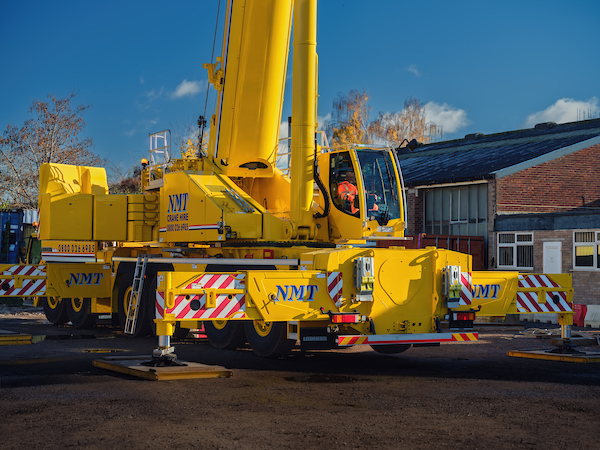
Mobile Crane next to building

How Planning Differs in Crane Hire

Planning is vital in any project and understanding the needs of our clients and the exact goals in mind can change up plans significantly so it needs to be right for smooth execution. Anytime we are needed for crane hire, we take into consideration the following factors:

Project Timeline

For short-term crane hire, the timeline is usually tight and focused around a specific day or task, so planning centres on making sure everything is ready for that set window. Access, lift timing, and coordination all need to be precise to avoid delays. For long-term projects, the timeline is more fluid and spread across several weeks or months, meaning the crane may be required at different stages. This calls for ongoing scheduling, flexibility, and close coordination with the wider site team as the build progresses.

Type of Lift and Load Requirements

On short-term projects, the lift is often clearly defined, such as installing equipment or moving materials into place, so the crane can be selected based on that single requirement. For long-term hire, the lifting needs may change over time as the project develops, so it’s important to choose equipment that can support a range of tasks across different phases.

Site Access and Space

Short-term lifts often take place in more restricted environments where quick setup and removal are essential, especially if the crane is only on site for a limited period. Long-term projects usually involve more permanent site setups, but space still needs to be carefully managed as other trades, materials, and structures begin to take shape around the crane.

Safety and Risk Planning

Safety is a priority for both short- and long-term crane hire. For short-term work, this involves making sure all lift plans, access points, and site conditions are assessed ahead of the scheduled lift. For long-term projects, safety planning becomes an ongoing process, with regular checks and coordination to ensure the crane continues to operate safely as the site changes over time.

Budget and Efficiency

With short-term hire, the focus is often on completing the task as efficiently as possible within a defined timeframe. For long-term projects, planning helps ensure the crane is used effectively throughout the build, supporting productivity across multiple stages and helping to keep the project running to schedule.

Types of Cranes for Different Projects 

Mobile Cranes

Mobile cranes are one of the most common choices for short-term projects. They can be brought to site quickly, set up efficiently, and used for specific lifts such as installing equipment, lifting materials onto rooftops, or moving machinery. Their flexibility makes them ideal for jobs that need to be completed within a short timeframe.

Tower Cranes

Tower cranes are more often associated with long-term construction projects, particularly on large builds where materials need to be lifted regularly over several weeks or months. They are typically installed on site for the duration of a phase and support ongoing work as the structure develops.

All-Terrain Cranes

All-terrain cranes are useful for projects that involve more complex site conditions. They can be suitable for both short- and long-term hire depending on the job, especially where access is difficult or the terrain is uneven.

Compact Cranes

Compact cranes are often used for projects with limited space, such as city centre sites or indoor lifts. These are commonly seen on short-term jobs where access is tight and precision is needed.

Why the Right Crane Hire Support Matters

No two projects are the same, whether the requirement is for a single lift or ongoing support across several months. Having the right crane hire team in place helps ensure the correct equipment is selected, timelines are met, and every lift is carried out safely and efficiently.

Experienced support can make a significant difference from the early planning stages through to execution. By understanding site conditions, access requirements, and the overall goals of the project, the right team can help prevent delays, reduce risk, and ensure everything runs as smoothly as possible. This is just as important for short-term jobs that need precise coordination as it is for long-term projects that rely on consistent support over time. 

Contact NMT Cranes Today!

Get in touch with NMT Cranes today, and we can help you plan your project all the way to assisting with execution. 
How Are Construction Cranes Erected

Posted in News MediaLeave a Comment on How Are Construction Cranes Erected

Construction cranes are some of the tallest machines on any job site, often rising hundreds of feet into the air. Many people assume they arrive fully built, but that’s not the case. In reality, cranes are assembled piece by piece through a carefully planned process designed for strength, balance, and safety. If you are interested in how construction cranes are erected, then we are here to explain the process clearly. 

Aside from the set ups, if you are thinking of hiring a crane company for your needs or actually getting into a team like ours, get in touch today and we will help you the best we can!

What Type of Construction Cranes Are We Talking Of?

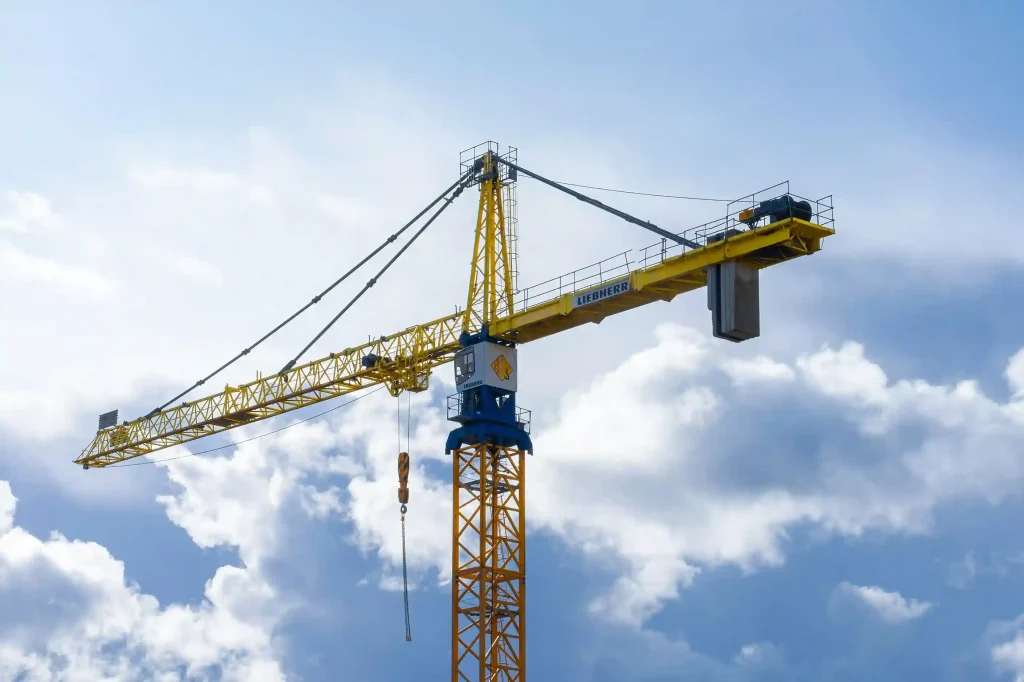
When people think about cranes towering over city skylines, they are usually looking at tower cranes. Tower cranes are a powerful kind and have a lot to offer. Their set ups can be a long process taking roughly 2-5 days and are of course done in sections. Further inspections may be needed after erection. The kinds of work you can expect these cranes to be erected for are:

  • Apartment towers
  • Office skyscrapers
  • Hotels and mixed-use developments
  • Hospitals
  • Universities
  • Airports
  • Convention centers

Why are tower cranes used?

There are many reasons tower cranes are used for construction work. Tower cranes are used on large construction projects because they can lift heavy materials to great heights while taking up very little space. They are commonly used on high-rise and commercial builds where a fixed crane can remain on site for long periods. Their ability to grow taller as construction progresses makes them efficient, stable, and well suited for dense urban environments.

So, How Are Construction Cranes Erected?

Step 1: Preparing the foundation
The process begins with constructing a reinforced concrete foundation. This base is engineered to support the crane’s weight and the loads it will lift. Once poured, the concrete must cure and pass inspection before assembly begins.

Step 2: Assembling the mast
Next, a mobile crane lifts and stacks the vertical mast sections. Each section is bolted securely into place, creating the tall central tower that gives the crane its height.

Step 3: Installing the slewing unit and jib
The rotating unit is installed on top of the mast, followed by the horizontal jib and counter-jib. Counterweights are added to balance the crane and allow it to lift heavy materials safely.

Step 4: Testing and certification
Before the crane is put into service, it undergoes thorough inspections and load testing. This ensures the crane meets safety standards and operates correctly.

Step 5: Climbing the crane as the building rises
As construction progresses, the crane can be raised higher using a self-climbing system. New mast sections are added beneath the crane, allowing it to grow along with the building.

How To Ensure The Process Is Safe?

Crane erection is carefully planned and carried out by trained professionals following strict safety procedures. Before work begins, our engineers create detailed erection plans that account for load limits, ground conditions, and weather.

During assembly, ourselves at NMT Crane Hire, install each crane section in a controlled sequence, with every connection checked for alignment and strength. Wind conditions are closely monitored, and work is paused if conditions become unsafe.

Once the crane is erected, it undergoes inspections and testing before being approved for use. These steps ensure the crane can operate safely throughout the project.

Need Us For Professional Crane Support?

If you are asking yourself “How are construction cranes erected?” and need our help setting up cranes or to discuss a project with our team, then get in touch with us today and we will be more than happy to help. We have decades of experience and have become highly trusted in several areas – trust us as professionals!

Frequently Asked Questions

Do all construction cranes follow the same erection process?
No. This process applies to tower cranes. Other cranes, such as mobile cranes, arrive mostly assembled and require less setup.

How are tower cranes dismantled?
Tower cranes are dismantled in reverse order, often using a mobile crane or by lowering sections using the crane’s own systems.

Is crane erection dangerous?
Crane erection is a controlled process carried out by trained professionals using strict safety procedures and inspections.

How To Build A Realistic Crane Programme

Posted in UncategorizedLeave a Comment on How To Build A Realistic Crane Programme

Cranes are not the same as hiring a photographer for the day. It needs far more planning taking into consideration safety, timing, access, permits. Our team at NMT Crane Hire can help out with an entire range of projects with our main ones including Film & TV and large scale industrial developments. With the help of some crane management you can expect a process that works in your favour the entire time. 

Why Is A Plan Necessary

In some work schedules and plans, you can be flexible and adjust times, people and more to suit a better idea. When a crane is involved, it eliminates that freedom. With good preparation up front, you gain much more certainty. You’re ready for inspections, permits and access checks, and you’re in a far better position to handle last-minute changes or cancellations.

Without A Plan You Can Expect The Following

Cranes turning up with nothing ready to lift
The crane and crew are on site, but the load isn’t prepared or the area isn’t cleared, so you’re paying for them to wait.

Crane can’t get in or set up where you’d planned
Parked cars, street furniture, tight corners or weak ground mean the crane can’t reach the agreed position.

Booked crane too small or can’t reach the load
The weight or radius was guessed, so the crane on the day isn’t safe to make the lift.

Lifts cancelled due to missing permits or parking suspensions
Road closures, TM, or bay suspensions haven’t been approved, so the job is stopped before you even start.

Trades and deliveries clashing with the crane’s working area
Other contractors are working or storing materials in the lift zone, forcing everything to be moved at the last minute.

Operator refusing to lift because paperwork isn’t in place
No agreed lift plan, RAMS or Appointed Person means the operator can’t legally or safely go ahead.

Rebooked cranes, extra visits and standing time charges
The lift has to be aborted and rearranged, adding more hire costs, more TM and more disruption to your programme.

What Steps Your Planning Should Include

There are many different procedures and steps you could include to make an efficient plan but sometimes quantity isn’t quality. In an instance where a crane is involved, there may be some that you hadn’t already thought of, here are them:

1. Confirm what you’re lifting and when

Lock in the basics first.

  • What are you lifting
  • How heavy is it and how big is it
  • How many lifts will there be and on which days
    This lets the crane team choose the right crane and configuration instead of guessing.

2. Map out access and crane set up

Plan how the crane and the load will get in and out.

  • Vehicle routes in and out of site
  • Where the crane will stand and slew
  • Any tight corners, low bridges or height limits
    Photos, videos and simple sketches are really useful here.

3. Arrange a site visit and lift plan

For anything more than a very simple lift, schedule:

  • A site visit from the crane company
  • A formal lift plan and RAMS
    This is where ground conditions, radius, obstacles and safe working areas are nailed down.

4. Build permits and traffic management into your dates

If you are near a road or public space, add time for:

  • Road closures or lane closures
  • Parking suspensions and access permissions
  • Traffic management booking and approvals
    These all have lead times, so they need to sit in your programme, not as an afterthought.

5. Coordinate trades and deliveries around the lift

Make sure other activity does not clash with the crane.

  • Keep the lift zone clear of scaffolding, roofers and other trades
  • Time deliveries so loads arrive ready to be lifted
  • Avoid booking other noisy or disruptive works at the same time
    The crane should be the focus during the lift window, not fighting for space.

6. Allow for weather and backup dates

Cranes and high winds do not mix.

  • Identify critical lifts that may need a backup day
  • Keep some flexibility in your programme for weather delays
  • Agree how and when decisions will be made
    This keeps everyone calm if the forecast changes.

7. Confirm who is in charge on the day

Finally, be clear about roles.

  • Who is the main contact for the crane crew
  • Who is the Appointed Person if it is a contract lift
  • Who can make decisions if something changes
    Good communication means fewer surprises once the crane is on the clock.

Contact Us & Get Planning Today

Get in contact with our team at NMT Crane Hire for more support and understanding of the required planning processes when a crane is involved in your projects.

The Most Powerful Cranes In The Industry

Posted in UncategorizedLeave a Comment on The Most Powerful Cranes In The Industry

Regardless of whether you are in the crane industry or others such as: cars, beauty, healthcare etc, everybody wants to know the best resources available and this could be because of their power, durability, aesthetic, and many other reasons.

In this blog, we will be covering some of the UK’s most powerful cranes in our industry and outline the key specs to watch, so you can choose the right crane for the job – which could very well be one of our own!

What Do We Provide Here At NMT

It will be important for you to take away not only the strongest kinds of cranes, but equally where you can access them if you want one. With ourselves at NMT we offer a variety that can be useful for a range of projects whether this be simple lifting or Film & TV needs.

Here are the different ranges we have aside from our accessories:

  • Light Truck Cranes
  • Lorry Loaders
  • City Cranes 13 – 50 Tonnes
  • All Terrain Vehicles 35 – 160 Tonnes
  • Heavy Vehicles 500-700
  • Mobile Tower Cranes

The strongest out of those are of course the heavy vehicles being able to hold 500-700 Tonne. But we will look into the best and strongest options of all of those, some of which we could offer ourselves!

When it comes to our cranes we have a variety of cranes that can hold different weights because we have a mix of different client bases and needs. With us you can expect a solution no matter what it may be.

So, What Is The Heaviest Of Those Listed

If you are comparing cranes by type, it helps to know the heaviest credible example in each class. Below are named models that sit at the top end for their category, followed by a plain English explanation so readers know why they matter and when to choose them.

Heavy Vehicles 500 to 700 tonnes

Examples to research: Liebherr LTM 1650-8.1, Demag AC 700-9

This class delivers the biggest lifts on rubber. They are used for heavy industrial work, bridge sections and large wind components. Setup is complex and transport loads are high, but you get serious capacity with strong charts at short to medium radius.


This is great news as at NMT we offer the Liebherr LTM 1500 – 8.1 meaning we are building a popular heavy vehicles collection.

All Terrain Vehicles 35 to 160 tonnes

Examples to research: Grove GMK5160-1 or Tadano ATF 160G-5

Both are 160 tonne class all terrains widely used in the UK, balancing road speed with solid charts for regional projects.

City Cranes 13 to 50 tonnes

Example to research: Demag AC 45 City

Compact city cranes popular in the UK. Excellent for tight access jobs where you still need a capable chart and quick setup.

Lorry Loaders

Example to research: Palfinger PK 200002 L SH

One of the heaviest loader cranes available in the UK. Great for short radius heavy picks and precise placement from a truck chassis.

Mobile Tower Cranes

Examples to research: Spierings SK2400 AT7

A go-to heavy mobile tower crane in the UK. Prioritises reach and fast mobilisation for urban sites. You will be happy to know that we have that exact crane within our business ready for you to hire today!

Light Truck Cranes

Example to research: Böcker AK 52

High reach truck crane available through UK dealers. Ideal for glazing, signage and lighter plants where roadability matters.

Why Might You Need A Powerful Crane

Heavy components
Some loads are simply beyond mid range charts. Large chillers, transformers, bridge beams and precast cores demand higher capacity so the lift stays within safe utilisation. Extra headroom also helps when the final weight is uncertain until the day.

Long radius or significant height
Capacity falls as reach increases. If you must place plants deep onto a roof, reach across a live road or span a river, a stronger crane keeps the lift compliant at the working radius without compromising the setup.

Programme efficiency
A bigger crane can lift larger assemblies in one go. That often reduces splice work at height, cuts rigging changes and shortens road closures. One clean pick of a skid unit or longer girders can save hours on site and keep trades moving.

Site constraints
Urban streets, refineries and tight yards rarely allow full outrigger spreads or perfect ground conditions. More capable charts let you achieve the same lift with a smaller footprint, limited matting or awkward access routes.

Safety margin and compliance
Weather, extra rigging and shifting centres of gravity all eat into capacity. Choosing a stronger crane builds in sensible margins for wind and rig weight, and helps meet client standards that cap chart utilisation or require backup options.

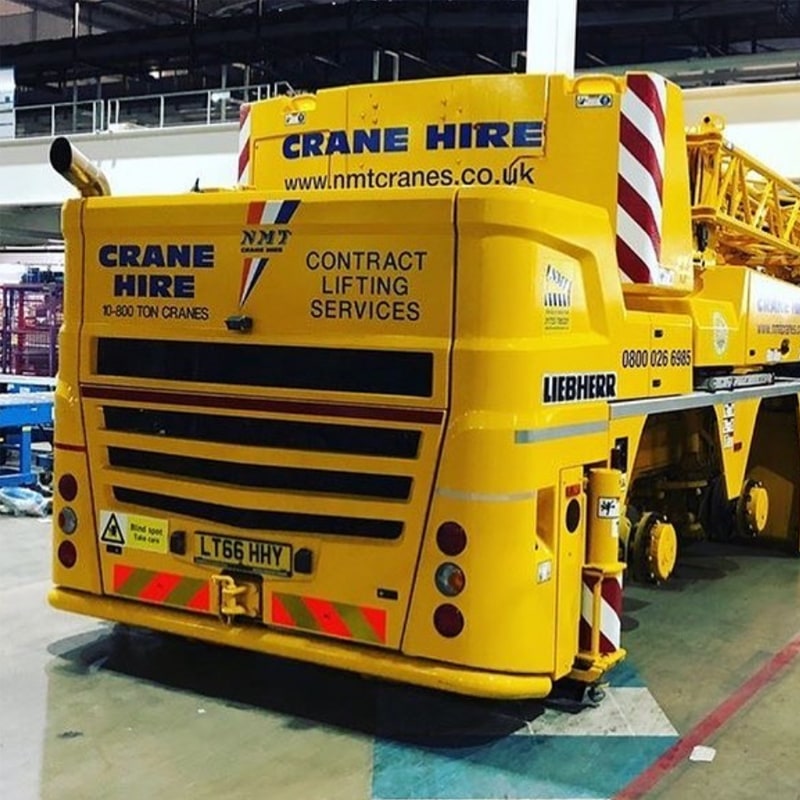
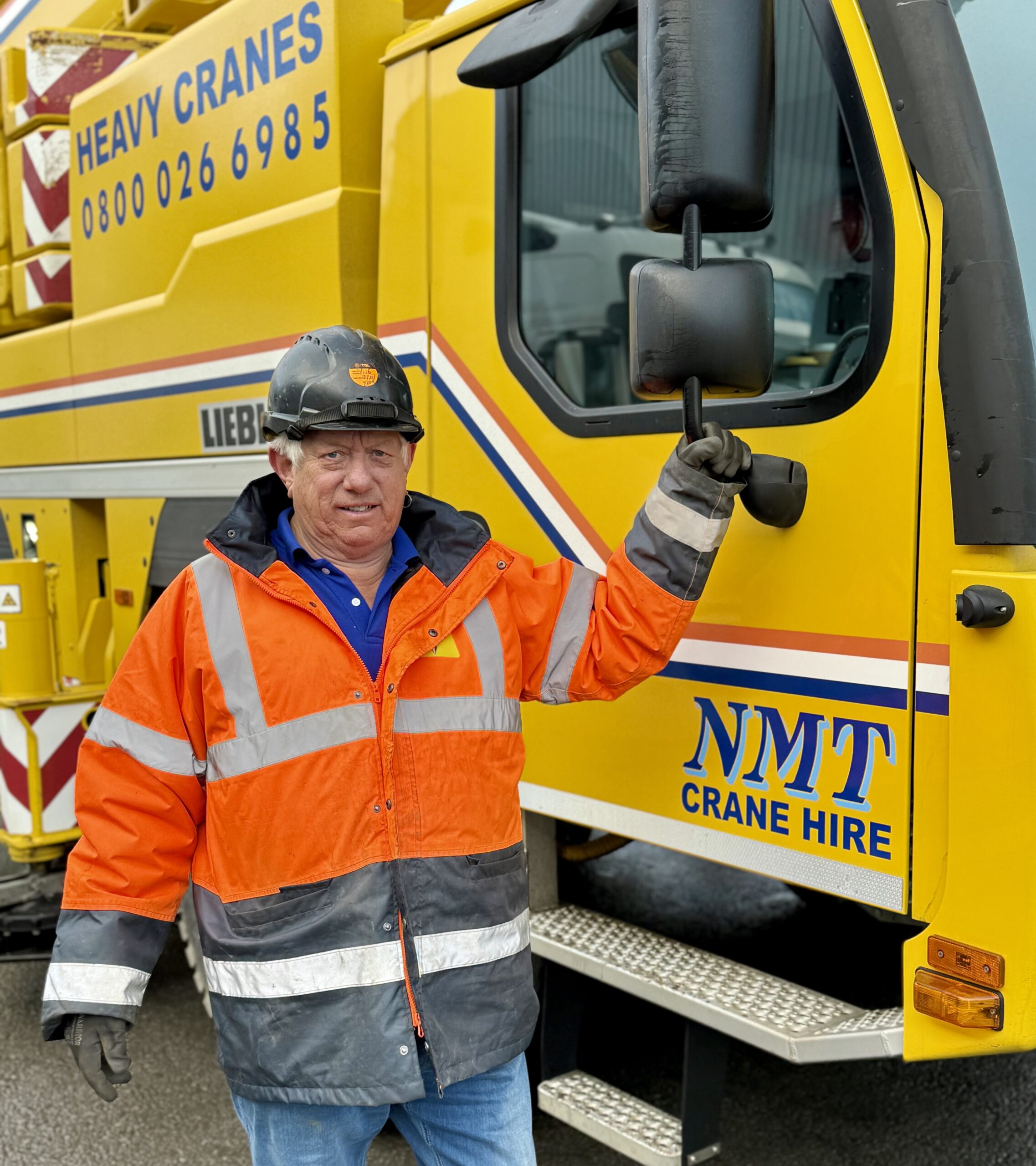
NMT worker next to Heavy Vehicle

Choose the Right Crane Company

Here at NMT, we have many business features that contribute to our success in the following areas: Birmingham, Buckinghamshire, Cambridge, Luton, London, Northampton, Oxford, St Albans and Watford.

NMT has served UK projects since 1976, bringing close to 50 years of practical lifting and crane experience. We pride ourselves on being customer-focused and tailoring every project uniquely to our customers and their needs.

Contact Us Today

Get in contact with NMT to get your crane needs attended to. With an extensive fleet of vehicles you can expect to be thrilled with your choices. Call or email us today!

The Future of Crane Technology: What’s Changing in 2025?

Posted in UncategorizedLeave a Comment on The Future of Crane Technology: What’s Changing in 2025?

The crane industry might seem old-school – lots of steel, cables, and counterweights. But it’s evolving faster than you think. As we head into 2025, big changes are coming that will shape how we lift, move, and manage loads across construction and infrastructure projects.

Across the industry, we’re seeing a shift toward smarter, greener, and safer lifting. What used to take blueprints, gut instinct and a clipboard now involves data, automation, and digital insight. For crane operators, site managers and clients alike, the future is already unfolding – and it’s impressive.

Here’s what’s just around the corner:

1. Telematics and Real-Time Monitoring
Modern cranes are becoming smart. Telematics systems now allow real-time tracking of load weights, boom angles, fuel consumption, and even operator behaviour. Fleet managers can monitor lifts remotely, spot issues before they become problems, and schedule predictive maintenance. Efficiency goes up. Downtime goes down.

2. Eco-Friendly Cranes
With environmental regulations tightening, more crane manufacturers are investing in hybrid and electric models. Expect to see cranes that emit less, run quieter, and save fuel – without sacrificing power. This is especially important for urban construction where noise and emissions are a concern.

3. Autonomous Features and Safety Tech
While fully self-operating cranes aren’t quite here yet, we’re seeing more semi-autonomous features. Think auto-levelling, collision detection, stability monitoring, and smart load balancing. These tools assist operators, reduce human error, and make tricky lifts safer.

4. Digital Planning Tools
Gone are the days of guesswork. Advanced lift-planning software and augmented reality are helping teams visualise crane positioning, simulate lifts, and fine-tune operations before a single stabiliser hits the ground. It saves time. It reduces risk.

5. Modular Crane Designs
Manufacturers are designing cranes that can be broken down and reassembled quickly. This reduces transport costs, simplifies logistics, and allows for easier access to tight sites or remote areas.

What Does This Mean for You?
If you’re hiring cranes in 2025 and beyond, you’ll benefit from faster setup, smarter performance, and cleaner operation. At NMT Crane Hire, we’re already investing in the future – so you don’t have to worry about falling behind.

Conclusion
Technology is reshaping the lifting world in real-time, and those who adapt early stand to gain the most. Whether it’s a cleaner machine, a more precise lift, or smarter planning software, these innovations aren’t just gimmicks – they’re game-changers. For clients, this means improved safety, reduced delays, and an overall more professional experience. At NMT, we believe in future-proofing your projects. We’re constantly assessing new tech, training our team, and upgrading our fleet to ensure our clients are getting the best the industry has to offer. So when you’re ready to lift smarter, cleaner and more confidently, give us a call on 0800 026 6985 and we will be happy to help.

We see these shifts not as trends, but as the new standard. And we’re proud to be leading from the front. Because the future of lifting isn’t just about machinery – it’s about mindset. Adaptability, innovation, and a relentless commitment to doing things better. That’s how we lift the industry.

How To Choose The Right Crane For Your Project

Posted in UncategorizedLeave a Comment on How To Choose The Right Crane For Your Project

Choosing the right crane isn’t just about size or strength. It’s about understanding your site, your load, and the environment you’re working in. At NMT Crane Hire, we’ve spent decades helping clients get it right – and avoiding the costly mistake of hiring the wrong machine.

Whether you’re lifting HVAC units into tight urban spaces or hoisting steel beams on a rural development, every lift is different. And the crane you choose can mean the difference between a smooth operation and a stalled site. This guide is designed to help you navigate the options and choose wisely.

Here’s a breakdown of what to consider when picking the perfect crane:

1. Load Weight and Dimensions
The most obvious factor. Different cranes have different lifting capacities. A mobile crane might handle a few tonnes with ease, but for heavier industrial equipment or steel structures, you might need a crawler or tower crane. Always know your load’s exact weight and dimensions – guessing can be expensive.

2. Lift Radius and Height
How far out or how high do you need to lift? This affects not only crane choice, but the type of jib or boom extension needed. Restricted access or tall buildings nearby might call for a specialised setup.

3. Site Access and Ground Conditions
Is your site easy to reach? Will the crane need to travel over uneven or soft ground? A rough terrain crane might be better suited to off-road conditions, while an all-terrain crane can adapt to both road and site demands. Don’t overlook how tight entrances or overhead obstructions might limit your options.

4. Duration of the Lift
Some lifts take minutes, others take weeks. For long-term jobs, static tower cranes or crawler cranes might be more cost-effective. For quick in-and-out lifts, a mobile crane is ideal.

5. Legal and Safety Requirements
Depending on the crane type and job site, you might need road permits, traffic management, or specific safety clearances. Our team at NMT handles all of this as part of our Contract Lift service, taking the pressure off your shoulders.

6. CPA vs Contract Lift
If you just need the crane and an operator (and you’re handling planning, supervision and insurance), that’s CPA Hire. But if you want us to handle the full lift, including paperwork and safety planning, that’s a Contract Lift. The difference can affect what kind of crane we recommend.

The bottom line? The right crane is the one that fits your job – not just your budget. Still not sure? Give us a call on 0800 026 6985, and we’ll help you figure it out. Choosing the right crane is more than a checklist – it’s about making sure every element of the lift is set up for success, from logistics to legality. At NMT, we don’t just offer machines; we offer guidance, clarity and peace of mind. Whether you’re a seasoned contractor or hiring a crane for the first time, we’re here to simplify the process, demystify the jargon and recommend a solution that balances cost, capability and compliance. Cranes are serious business, and we’re seriously good at it. So before you book, talk to the experts. Because with the right crane, everything lifts.

Meet the KATO CR-350 35T City Crane

Posted in UncategorizedLeave a Comment on Meet the KATO CR-350 35T City Crane

At NMT Crane Hire, we understand that not every job requires a massive crane. In many cases, especially in built-up areas, access and agility matter just as much as lifting power. That’s why we’ve invested in the KATO CR-350 35T City Crane, a compact and efficient machine designed specifically for urban lifting challenges.

Whether you’re working on a busy street, a residential project, or a restricted-access site, this crane brings reliable strength and flexibility.

About the KATO CR-350 35T City Crane

The KATO CR-350 is a 35-tonne capacity city crane built for precision and manoeuvrability. It combines a compact footprint with impressive lifting capabilities, making it ideal for tight, complex environments where larger cranes can’t operate efficiently.

Key specifications:

  • Maximum lifting capacity: 35 tonnes
  • Main boom: Up to 32 metres
  • Additional jib options for extended reach
  • Tight turning radius and compact wheelbase
  • Designed for quick setup and inner-city access

What the KATO CR-350 Is Used For

This city crane is ideal for a wide range of lifting tasks, particularly where space is limited and speed is essential.

Urban Construction and Rooftop Access

Perfect for lifting materials to upper floors, rooftops, or balconies on sites with limited access and minimal setup space.

Maintenance and Utilities

Frequently used for HVAC units, telecommunications equipment, signage, and other routine maintenance jobs in commercial or residential areas.

Domestic Projects

Ideal for home builds, loft conversions, and smaller construction jobs where heavier equipment would be impractical or disruptive.

Plant and Machinery Movement

Handles small to mid-size machinery relocation where tight site access or busy surroundings limit options.

Where It Works Best

We deploy the KATO CR-350 across the UK, but it’s especially effective in urban centres and residential zones. Operating from our Bedfordshire base, we regularly service:

  • London
  • Milton Keynes
  • Birmingham
  • Oxford
  • Luton
  • Watford
  • Cambridge

Its size, speed, and transportability make it ideal for responsive work where space or time is a constraint.

Why We Chose the KATO CR-350

Adding the KATO CR-350 to our fleet allows us to better serve clients who need:

  • Rapid crane setup and removal
  • Lifting solutions in space-constrained areas
  • Reduced disruption on residential or commercial sites
  • Cost-effective alternatives to larger crane hire

It’s a smart addition that complements our heavy lifting capabilities with flexible support for smaller jobs that still require specialist handling.

Book the KATO CR-350 for Your Next Lift

If your project requires precision lifting in a restricted or urban space, the KATO CR-350 is ready to go. Speak with our team at NMT Crane Hire to discuss your job requirements and get expert guidance on the best crane solution.

Call us on 0800 026 6985 or use our online form to request more information. We’ll get back to you quickly with availability and tailored recommendations.

Bedfordshire as a Hub for UK Haulage and Crane Services

Posted in UncategorizedLeave a Comment on Bedfordshire as a Hub for UK Haulage and Crane Services

When it comes to running a reliable, nationwide heavy haulage and crane solution service, location matters, and at NMT Crane Hire, we believe we’re in just the right place. Our base in Bedfordshire isn’t just where our fleet is stored. It’s a strategic hub that allows us to serve clients efficiently all across the UK.

Here’s why Bedfordshire gives both us and our customers a real advantage in the world of cranes and haulage.

Central Location, Nationwide Reach

Bedfordshire is right in the heart of England. This central position gives us direct access to key routes such as the M1, A1, and A421, which connect us quickly to major cities like London, Birmingham, Oxford, Milton Keynes, and Cambridge. Whether a client is in the South East or the Midlands, our fleet can be on-site quickly and reliably.

Close to Major Infrastructure

Operating near important logistical centres such as London Luton Airport, the M25, and rail freight terminals means we can respond faster to high-priority jobs. This proximity also reduces downtime and improves flexibility – two major benefits when transporting oversized or time-sensitive loads.

Supporting Industries Across the Region

Bedfordshire is surrounded by counties that are thriving with construction, logistics, and infrastructure projects. From commercial developments in Milton Keynes, to transport upgrades in Greater London, to manufacturing operations across the Home Counties, our fleet is constantly on the move. Being local means we understand these regional industries and the demands they bring, and we’re always ready to deliver.

Fast Turnarounds, Less Congestion

Unlike central London or other built-up areas, Bedfordshire offers space and convenience. Our depot is easy to access for loading and dispatch, which means we can operate more efficiently. There’s less congestion, fewer delays, and smoother scheduling for your haulage and crane requirements.

Trusted Solutions from a Well-Placed Partner

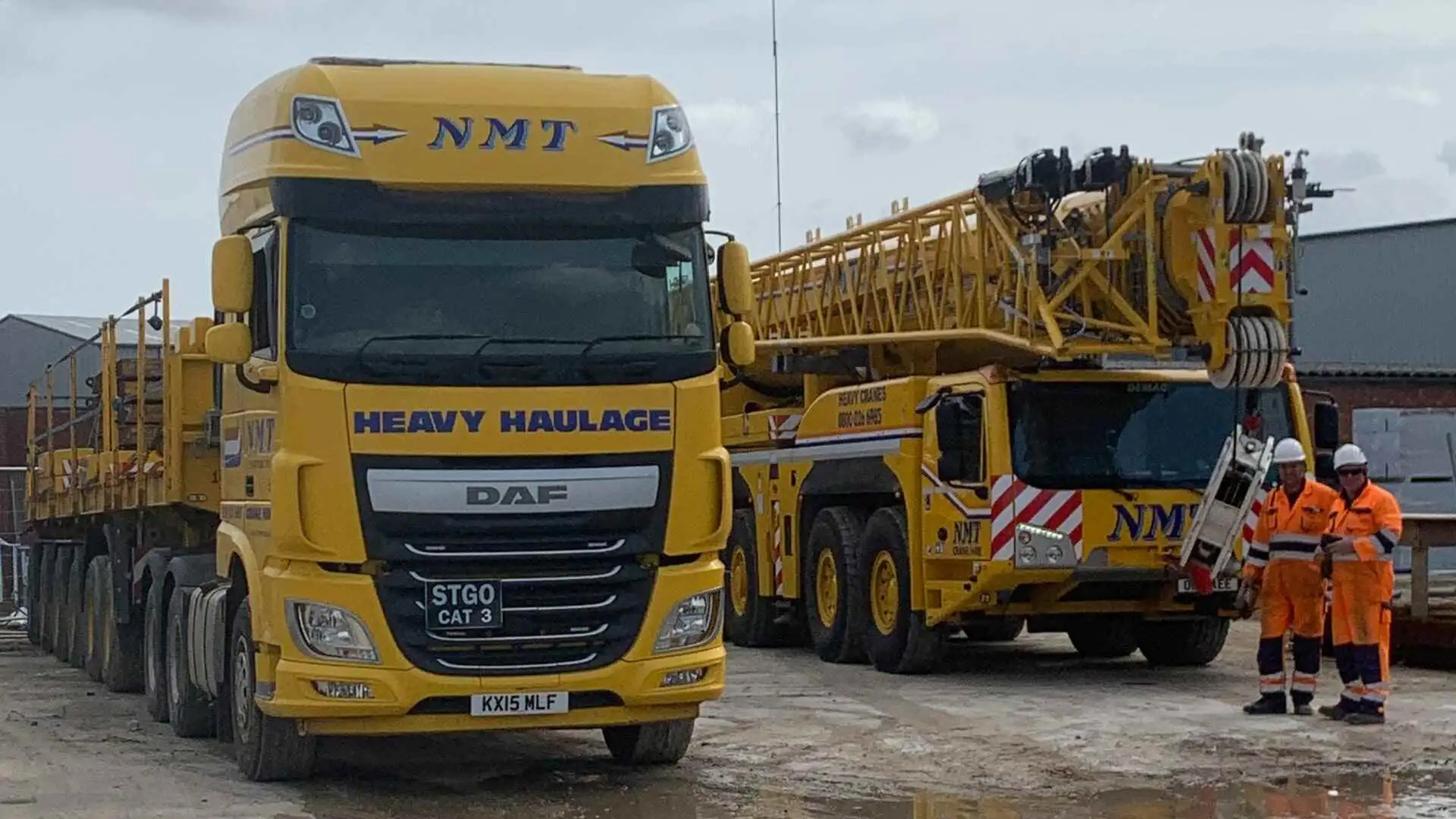
With a fleet that includes the Leyland DAF Heavy Haulage Arctic Lorry and other specialist cranes and haulage vehicles, we’re built for transporting large, heavy, or awkward loads. And being based in Bedfordshire means we can do that quicker and more cost-effectively across the country.

We offer:

  • Nationwide coverage from a central hub
  • 24/7 availability for haulage and courier needs
  • Fully accredited, experienced operators
  • Heavy and light haulage options to suit every job

Let’s Get Your Load Moving

If you’re planning a project and need dependable heavy haulage, choose a provider that’s positioned to respond quickly and efficiently. NMT Crane Hire is proud to call Bedfordshire home, and even prouder to help businesses across the UK keep their materials moving.

Get in touch today on 0800 026 6985 or use our contact form and a member of our team will be in touch shortly to discuss your haulage and crane needs.

How Much Does Crane Hire Cost? A Transparent Breakdown

Posted in News MediaLeave a Comment on How Much Does Crane Hire Cost? A Transparent Breakdown

Hiring a crane can be overwhelming if you’re unsure what affects the price. At NMT Crane Hire, we believe in transparency and helping clients understand every factor that goes into calculating a crane hire cost. This guide breaks it all down so you know exactly what to expect and things to consider.

Crane Hire Pricing Models

At NMT, we offer two main crane hire options:

CPA Crane Hire (Crane and Operator Only)

  • More affordable option.
  • You take responsibility for planning and supervising the lift.
  • Priced hourly or daily.

CPA Contract Lift (Fully Managed Service)

  • NMT takes full responsibility for the lift.
  • Includes planning, insurance, supervision and execution.
  • Higher cost but offers a fully comprehensive service.

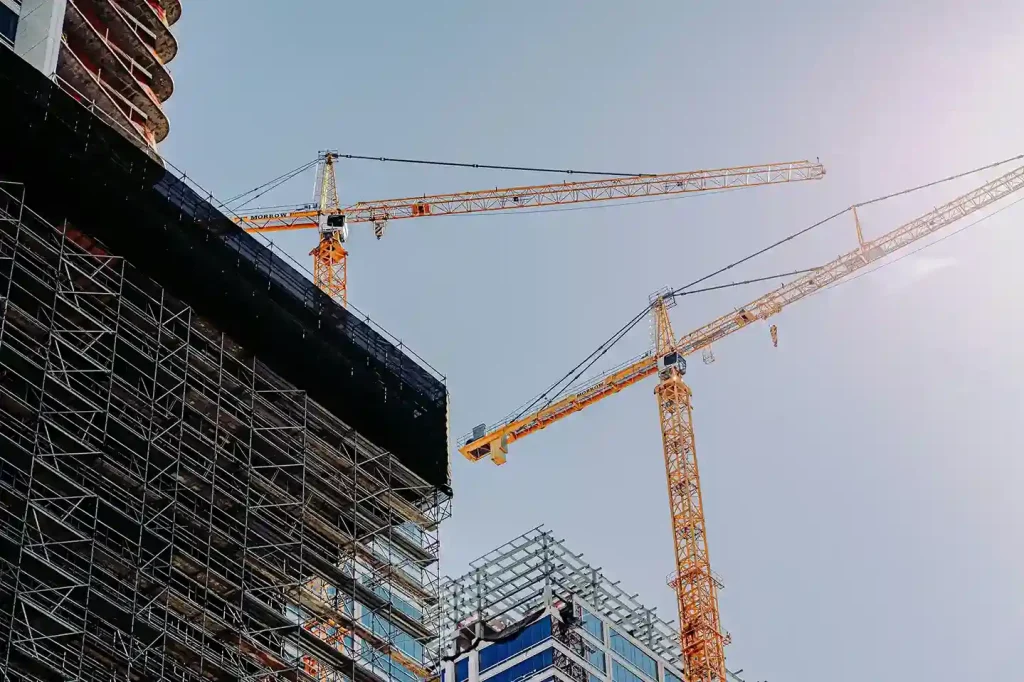
Crane on construction site


Key Factors That Affect Crane Hire Cost

Type of Crane

The type of crane you require for the job is one of the biggest cost factors. Here’s an example of what to expect based on our fleet:

Duration of Hire

The length of hire can reduce costs over time:

  • Short-term hire: Standard daily rates apply.
  • Long-term hire: Discounts often available.

Location and Travel

Where your project is located makes a difference:

  • Local projects typically incur minimal travel charges.
  • Distant sites may require additional transport and setup costs.

Site Conditions

Challenging sites can increase crane hire costs:

  • Restricted access may require smaller or specialist cranes.
  • Poor ground conditions might mean extra preparation or stabilisation.

Lift Complexity

Not all lifts are straightforward:

  • Standard lifts use basic pricing.
  • Complex or heavy lifts need additional equipment, planning, and personnel, increasing costs.

Additional Costs

Some projects may also require:

  • Traffic management and road closures.
  • Permits for specific lifts or locations.
  • Additional personnel such as supervisors or slingers.
  • Weather delay management if the job is interrupted.

Get a Tailored Crane Hire Cost

Every project is different, which is why the best way to get an accurate crane hire cost is to contact NMT Crane Hire directly. We offer free site surveys and no-obligation quotes. Our team will help assess your requirements and provide you with the most competitive and transparent pricing for your project. Get in touch today and let us help you lift with confidence.

If you are an individual or business that needs to transport heavy items, then investing in low loader services would be a great option. These heavy vehicles are useful in a variety of industries, yet their uses in particular would be construction, agriculture, energy, logistics, and mining. There isn't much limit on what you can carry on them, so we advise you to save the stress of attempting to transport them yourself and get some professional help.

In this article, we will cover what a low loader really is, its uses, and overall benefits for anybody interested.

What Is A Low Loader?

A low loader vehicle is a unique type of heavy-duty trailer with a deck positioned extremely close to the ground, used for transporting tall, heavy, or oversized loads that cannot be carried on standard trailers due to height restrictions. So, even if you have other machinery in itself, a low loader could carry this. It often features a detachable front or ramps to allow machinery or equipment to be driven directly onto the trailer.

How Heavy Are They?

Weight Limits on Low Loaders

Regarding weight, a low loader's limit for what it can carry is very impressive. Here are 5 examples of the extent of items you can transport:

  • Excavator (Construction) – 20–90 tonnes

  • Combine harvester (Agriculture) – 10–25 tonnes

  • Power transformer (Industrial/Energy) – 50–300+ tonnes

  • Main battle tank (Military) – 60–75 tonnes

  • Wind turbine blade (Renewable Energy) – 10–20 tonnes

So these vehicles are absolutely perfect for anybody in any stage of life, such as moving house, business needs and large-scale projects. 

The Benefits Of Low Loaders

If you are undertaking a project or difficult task involving transporting heavy goods, there is nothing better than knowing they will get transported in time, but more importantly, in a safe manner. Larger objects can often be difficult to keep in good condition, especially when they are going from place to place. With low loaders, you can be assured that your items, small or huge, will be supported by this vehicle from onboarding to offboarding.

As well as this, low loaders are great for unique-sized and shaped loads. Due to its low deck feature, it can hold objects and machinery that would not be suitable on a regular trailer. Equally, with its additional features, adding your heavy goods is made much easier.

Following this, these vehicles offer improved road clearance and stability. The low center of gravity offers better stability during transport, especially with heavy or awkward loads.

Lastly, as with any process throughout life, with saved time and effort it can make a stressful task a lot smoother than it may have been initially. When a low loader is involved it would ultimately cut any time you could have spent, lifting and disassembling. This also would have higher chance of being a dangerous activity if not done properly with the help of a low loader.

Advanced Vehicles Help Streamline Projects – NMT Crane Hire

At NMT Crane Hire we have spent decades helping people and businesses with countless projects. Whether it is a simple transport need or a complex film and tv service, we give peace of mind to all our customers. Our expert team are highly trained sticking to legal procedures and standards, all while maintaining great customer service for all!

If you are interested in low loader vehicles or any other heavy-haulage vehicles, then be sure to contact us today for professional guidance on where to get started with us. You can phone us or use our online contact form.